India has long been regarded as the home of yoga, attracting students from around the world. With so many Yoga Teacher Training Courses available, choosing the right program can feel overwhelming — here are 10 important factors to consider.
India has long been regarded as the home of yoga, attracting students from around the world who want to deepen their practice, explore traditional teachings, and gain the skills needed to teach others. With so many Yoga Teacher Training Courses (TTCs) available, choosing the right program can feel overwhelming.
Beautiful websites, tropical locations and impressive marketing don't always reflect the quality of the teaching. A Yoga Teacher Training is a significant investment of time, energy and money, so it is worth looking beyond the surface before making a decision.
Here are 10 important factors to consider when choosing a Yoga Teacher Training in India.
1. Look Beyond Accreditation
Many students begin their search by looking for Yoga Alliance accreditation. While accreditation can provide a useful framework, it should not be the deciding factor.
The true value of a teacher training comes from the quality of instruction, the experience of the teachers and the depth of the curriculum. A certificate may qualify you to teach, but genuine understanding comes from studying with experienced practitioners who have dedicated their lives to yoga.
When researching schools, take time to understand the lineage, philosophy and teaching approach behind the training rather than focusing solely on accreditation.
Questions to Ask
- What lineage does the school follow?
- Who trained the lead teacher?
- How long has the school been operating?
- What is the school's teaching philosophy?
2. The Lead Teacher's Experience
One of the most important factors in any teacher training is the quality and experience of the lead teacher.
Consider the Following
- How many years have they been teaching?
- Who did they study with?
- What is their reputation among former students?
A knowledgeable teacher can guide students through much more than physical postures. They bring insight into philosophy, anatomy, self-inquiry and the challenges that arise during an intensive period of study.
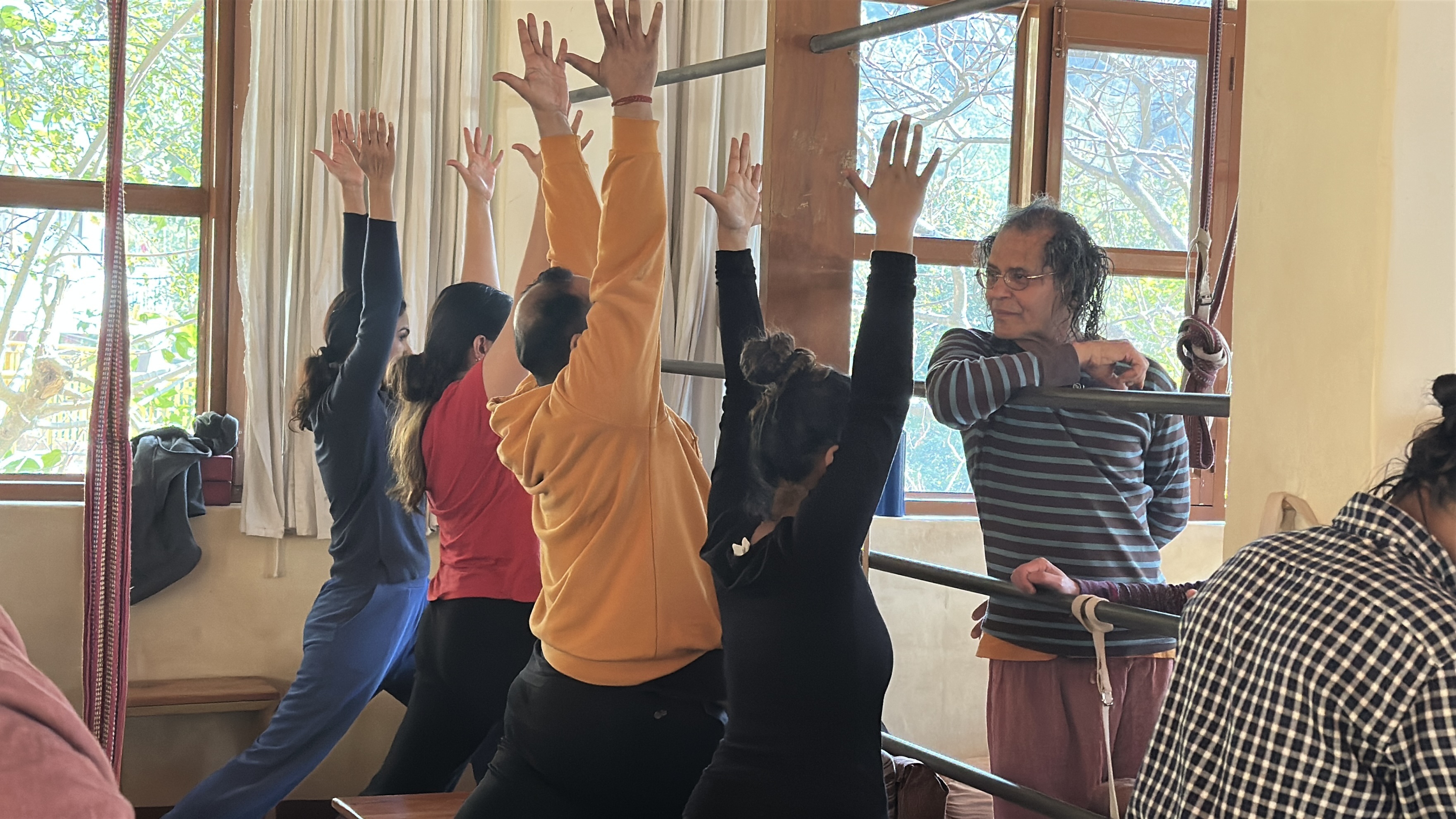
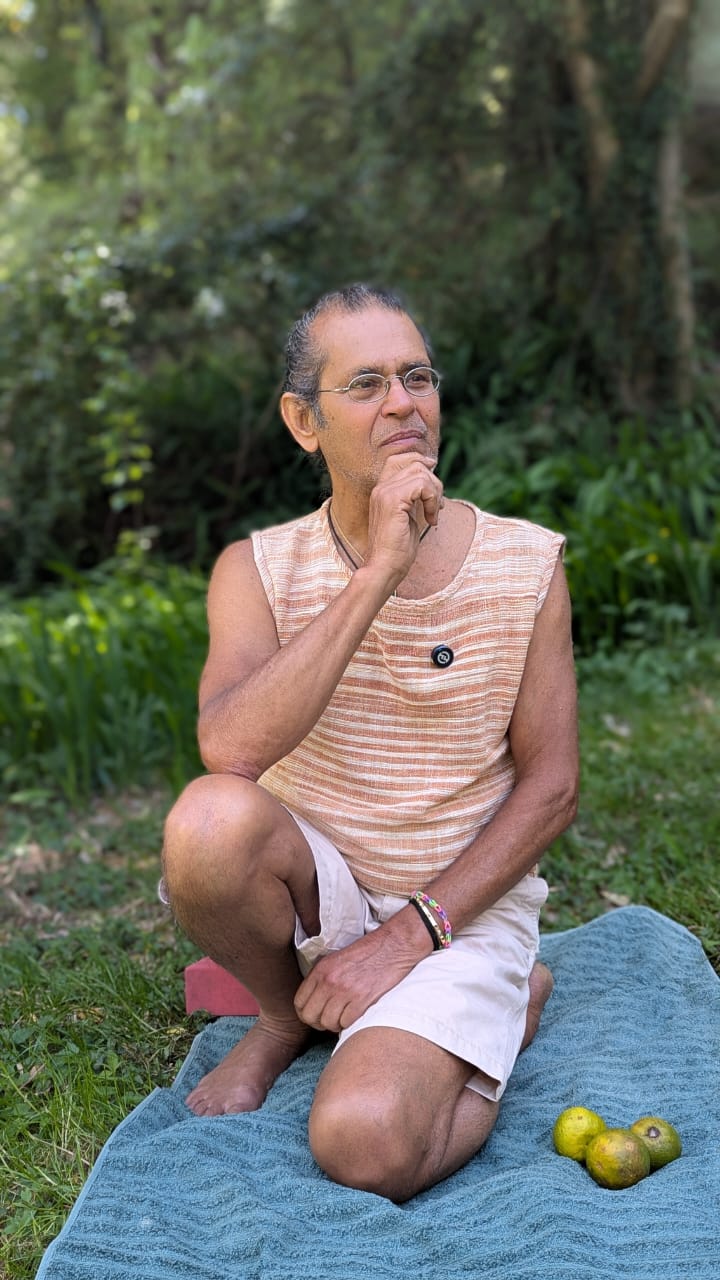
At HIYC, students learn under Master Sharat Arora, who has over four decades of teaching experience and studied directly with B.K.S. Iyengar, serving as his assistant in yoga therapy classes at the Ramamani Iyengar Memorial Institute in Pune for seven years. This direct lineage provides a rare opportunity to study yoga at considerable depth.
3. Student-to-Teacher Ratio
The size of a training group can significantly affect the learning experience.
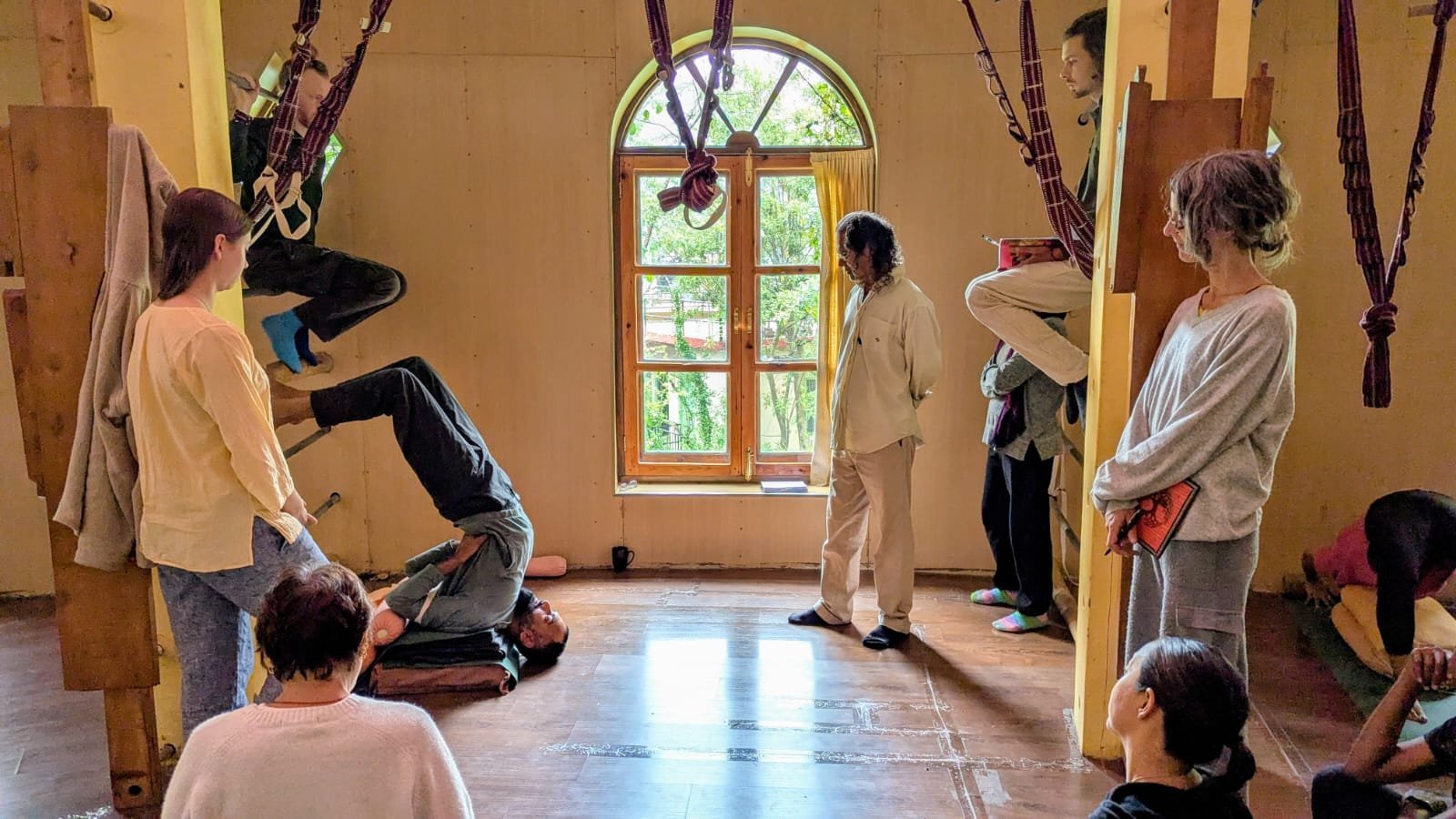
Smaller groups often allow for more individual attention, detailed feedback and personalised guidance. This is particularly important when learning alignment-based yoga, where subtle adjustments can make a significant difference.
Before booking, ask how many students are typically accepted and how much direct interaction you can expect with the lead teacher.
Why It Matters
A lower student-to-teacher ratio generally means:
- More individual guidance
- Better alignment corrections
- Greater opportunity to ask questions
- Stronger learning outcomes
4. Curriculum
A quality Yoga Teacher Training should offer much more than learning yoga poses.
Essential Areas of Study
- Asana practice and alignment
- Pranayama
- Meditation
- Yoga philosophy
- Anatomy and physiology
- Teaching methodology
- Sequencing
- Practice teaching
- Observation and adjustment skills
The strongest programs balance theory with practical experience, allowing students to develop both understanding and confidence.
HIYC's 320-Hour TTC combines an intensive immersion in personal practice with dedicated teacher training, creating a strong foundation before students begin learning how to teach others.
5. The School's Philosophy
Not every yoga school approaches yoga in the same way.
Some focus primarily on physical fitness, while others place greater emphasis on self-awareness, meditation, healing or philosophy. Neither approach is necessarily better, but it is important to find a program that aligns with your goals and interests.
Take time to read about the school's philosophy and ask whether it resonates with your own reasons for undertaking a teacher training.
Remember
The style of yoga is important, but the depth of the teaching matters even more.
6. What Type of Experience Are You Looking For?
Every TTC offers a different environment and learning experience.
Some are highly social and activity-based, while others encourage deeper introspection and self-study.
At HIYC, the 320-Hour Teacher Training begins with a 160-Hour Intensive conducted in silence. This immersive experience allows students to step away from daily distractions and establish a strong personal practice before moving into the teaching phase of the course.
For many students, this period of focused practice becomes one of the most valuable aspects of the entire training.
Consider Whether You Prefer
- A highly social environment
- A structured retreat format
- A silent immersion
- A balance between study and free time
7. Location and Environment
The environment plays a significant role in the learning experience.
A teacher training is an immersive process, and the surroundings can greatly influence your ability to focus and absorb the teachings.
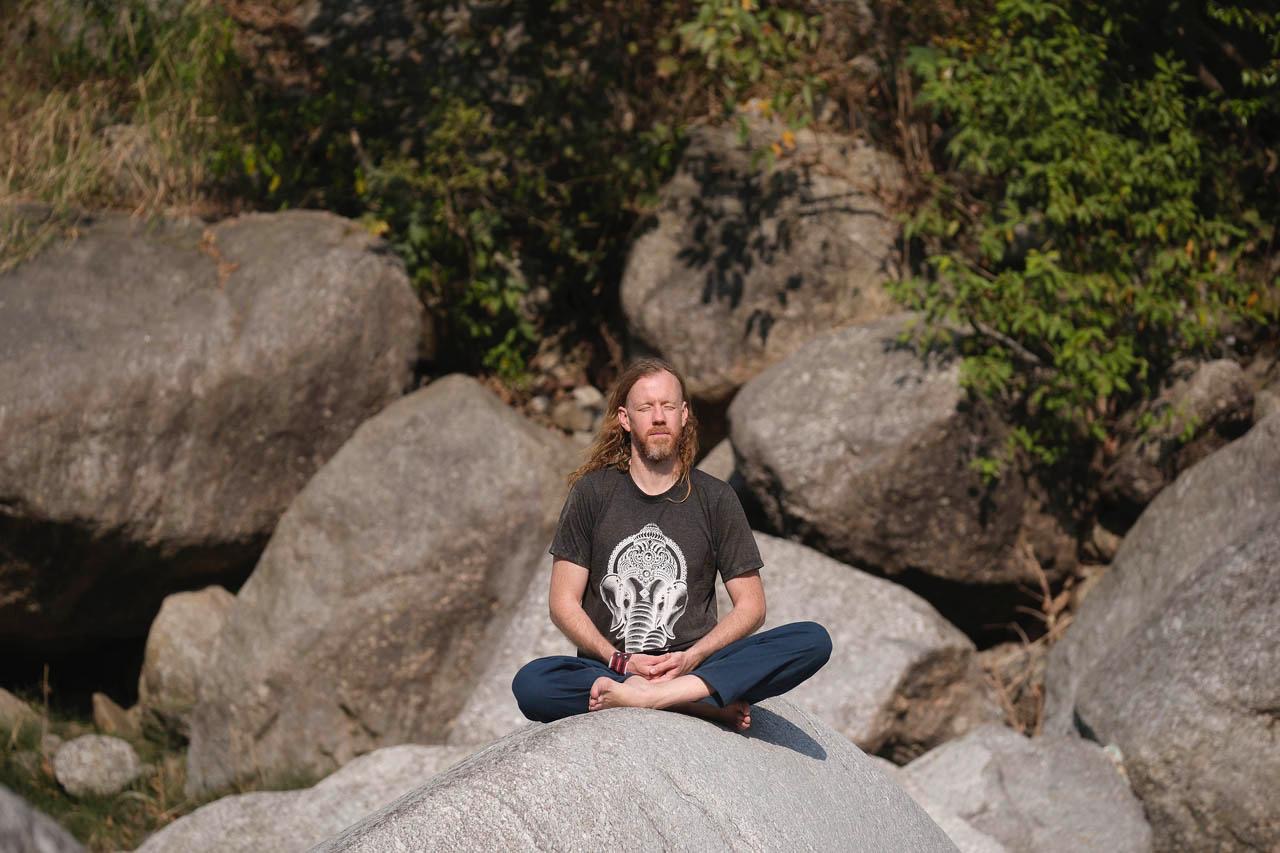
Dharamkot, in the Himalayan foothills above Dharamshala, has long attracted yoga practitioners, meditators and spiritual seekers from around the world. The quieter pace of life, mountain setting and supportive community create an atmosphere that naturally encourages deeper study and practice.
Choosing a location that supports concentration and reflection can be just as important as choosing the right curriculum.
Why Students Choose the Himalayas
- Peaceful natural surroundings
- Fewer distractions
- Cooler mountain climate
- Strong spiritual heritage
- International yoga community
8. Transparency in Pricing and Policies
A reputable yoga school should be clear about its costs and policies.
Before committing to a program, make sure you understand:
- Tuition fees
- Accommodation costs
- What meals are included
- Deposit requirements
- Cancellation and refund policies
Transparency helps students make informed decisions and avoids unexpected surprises later on.
9. Read Genuine Student Reviews
Student testimonials can provide valuable insight into the real experience of a teacher training.
Look for Reviews That Discuss
- Teaching quality
- Personal growth
- Organisation and support
- Accommodation and facilities
- The long-term impact of the training
The most useful reviews are often detailed and balanced rather than purely promotional.
When speaking with graduates of intensive yoga programs, many describe benefits that extend far beyond learning postures. They often speak about increased confidence, deeper self-awareness, lasting friendships and a stronger understanding of yoga as a way of life.
10. What Makes the Training Unique?
Finally, consider what sets a particular training apart from the many others available in India.
Many TTCs follow a similar structure and curriculum. The strongest programs offer something distinctive based on their experience, lineage and teaching methodology.
What Makes HIYC's 320-Hour TTC Different?
- A 160-Hour Intensive silent immersion
- Three weeks of teacher training and teaching methodology
- Direct lineage to B.K.S. Iyengar through Master Sharat Arora
- Strong focus on alignment and therapeutic understanding
- Authentic Himalayan learning environment
- More than 40 years of teaching experience behind the program
Rather than separating personal transformation from teacher education, the course integrates both into a single six-week journey.
Final Thoughts
There are many Yoga Teacher Training programs available in India, each with its own strengths and approach. The key is finding a school whose teachers, philosophy and learning environment align with your goals.
By taking the time to research carefully and ask the right questions, you can choose a training that offers more than a qualification. The right course can provide a deeper understanding of yoga, greater confidence in your practice and a foundation that continues to support you long after the training ends.
At HIYC, the emphasis is on depth of learning, direct teaching from Master Sharat and personal transformation through dedicated practice. For students seeking a comprehensive and immersive experience, the 320-Hour TTC offers a unique opportunity to study in the heart of the Himalayas while developing both personal practice and teaching skills.
Ready to Become a Yoga Teacher?
Join HIYC's 320-Hour Teacher Training in the Himalayas — a six-week journey combining a silent intensive with comprehensive teacher education. Dharamkot, Dharamsala.