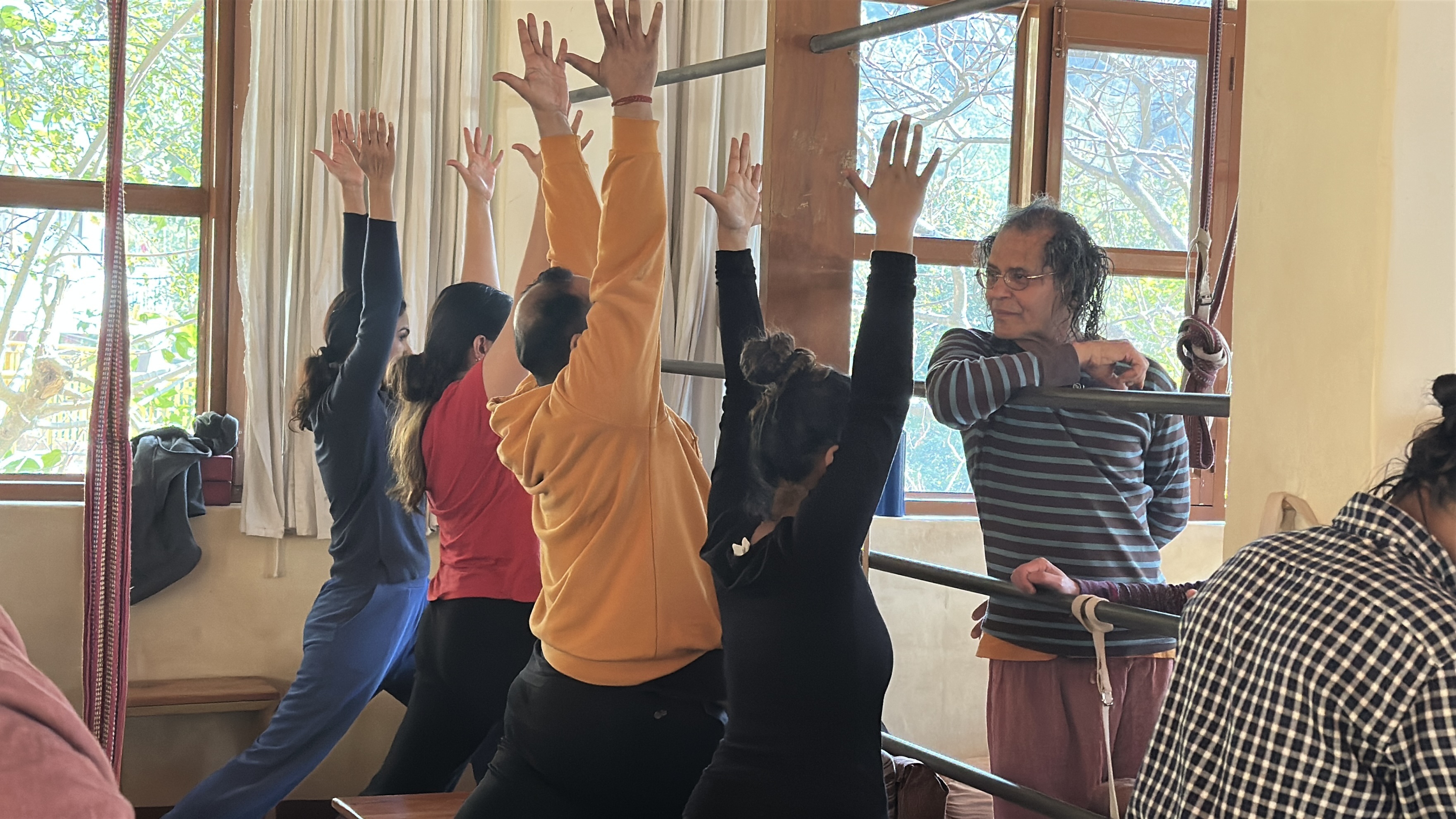
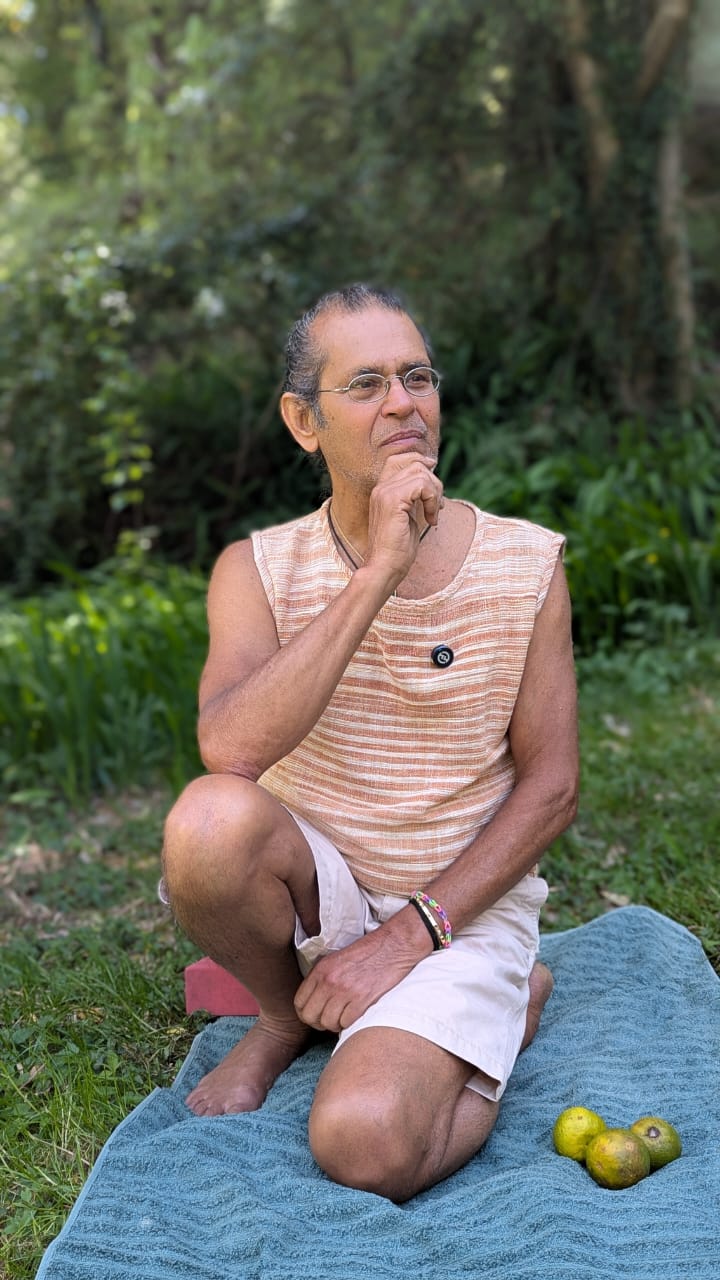
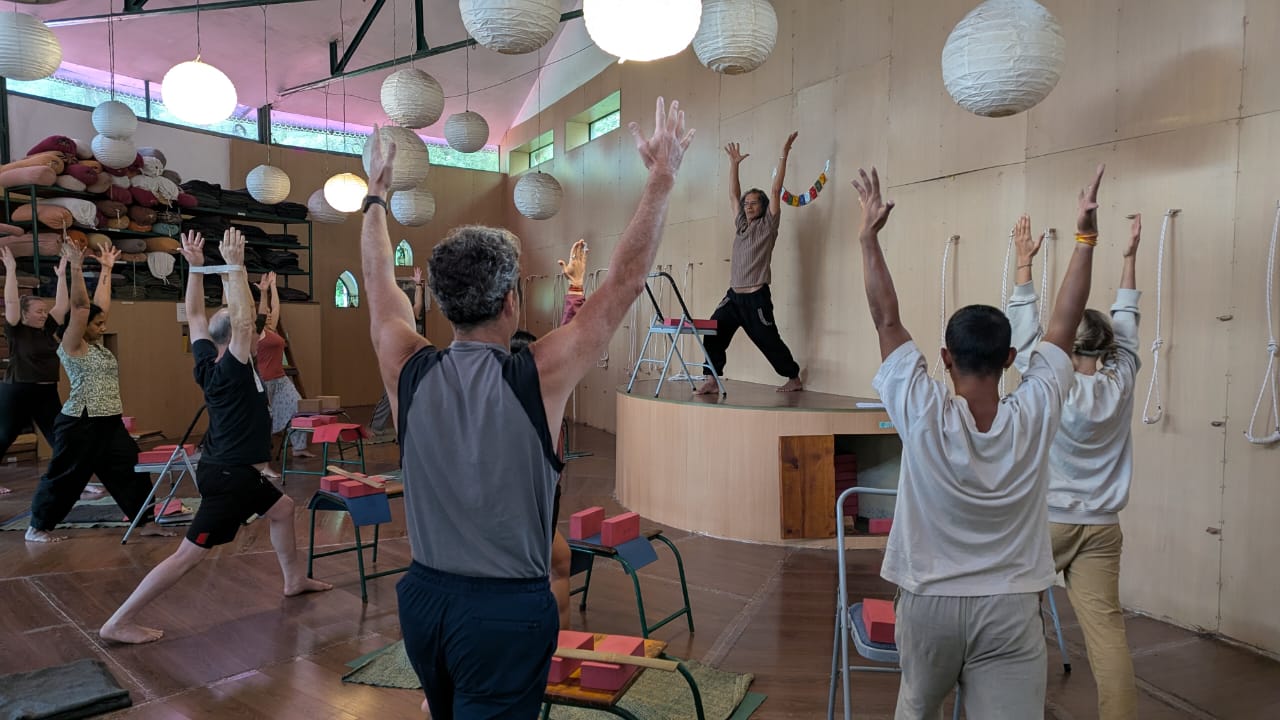
In an increasingly noisy world, more people are searching for a silent yoga retreat experience to disconnect from digital distractions, reduce stress, and reconnect with themselves. Nestled in the Himalayan foothills, HIYC offers one of India's most intensive and transformative silent retreat experiences.
In an increasingly noisy world, more people are searching for a silent yoga retreat India experience as a way to disconnect from digital distractions, reduce stress, and reconnect with themselves. The growing interest in mindfulness, mental wellbeing, and digital detox retreats has made the silent retreat India movement one of the fastest-growing wellness trends today.
Yet true silence is becoming increasingly rare. Most retreats offer moments of quiet, but very few provide an authentic immersion into silence combined with authentic yogic practices. Nestled in the Himalayan foothills, HIYC offers one of India's most intensive and transformative silent retreat experiences, allowing participants to step away from external noise and discover the profound stillness within.
Whether you're seeking emotional healing, mental clarity, spiritual growth, or simply a break from constant stimulation, this guide explains everything you need to know about silent yoga retreats in India and how to prepare for one.

What Is a Silent Retreat Exactly?
A silent retreat is a structured period during which participants voluntarily abstain from speaking and often limit all forms of communication, including texting, social media, reading, writing, and eye contact. In yogic traditions, this practice is known as Mauna, or conscious silence.
The purpose of silence is not merely to stop talking. It is to create the conditions for deeper self-awareness. When conversations, notifications, entertainment, and daily distractions are removed, the mind begins to reveal its deeper patterns.
Most silent retreats include practices such as:
- Daily yoga sessions
- Meditation
- Pranayama
- Yogic philosophy study
- Mindful self-reflection
- Nature immersion
Unlike a typical wellness vacation, a silent retreat is an inward journey. Participants spend their energy observing rather than reacting, listening rather than speaking, and experiencing rather than analyzing.
At HIYC, silence is integrated with authentic yoga practice, creating an environment that supports both psychological and spiritual transformation.
Learn more about HIYC's intensive programs here: 160-Hour Intensive Yoga Course in Dharamshala →
Why Silence Is the Most Powerful Tool for Self-Transformation
Many people attend a silent retreat expecting relaxation. What they often discover instead is transformation.
Modern life keeps our attention constantly directed outward. We are conditioned to respond to emails, notifications, conversations, and endless streams of information. Even moments of solitude are often filled with podcasts, music, videos, or scrolling.
Silence interrupts this cycle.
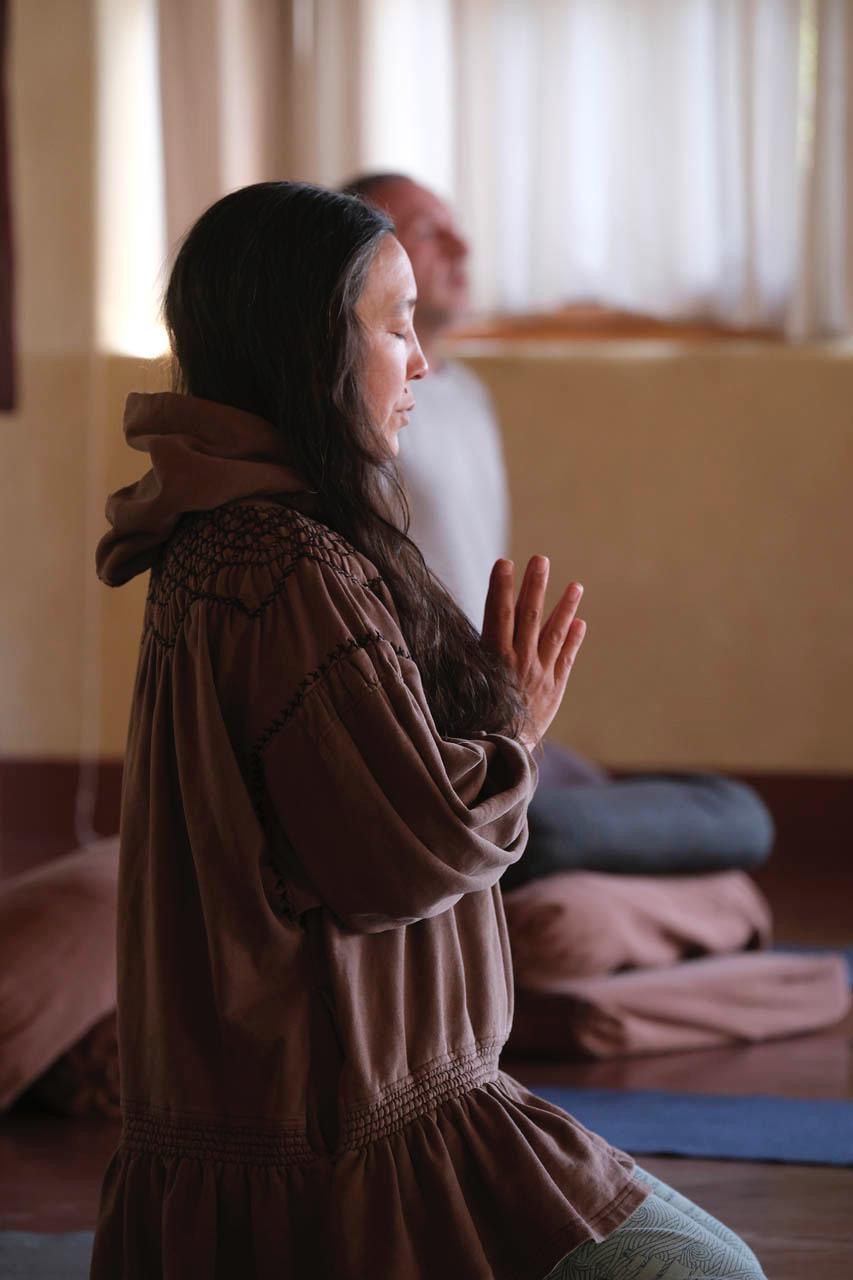
Without external stimulation, the mind gradually turns inward. Thoughts that are normally buried beneath daily activity begin to surface. Emotional patterns become more visible. Habits of thinking reveal themselves.
This process aligns closely with traditional yogic teachings. According to Patanjali's Yoga Sutras, yoga is the calming of the fluctuations of the mind. Silence accelerates this process because it removes many of the inputs that create mental turbulence.
Participants frequently report experiencing:
- Increased mental clarity
- Improved emotional regulation
- Greater concentration
- Reduced anxiety
- Enhanced creativity
- Stronger intuition
- Deeper meditation experiences
Scientific research also supports these observations. Studies on meditation retreats and sensory reduction environments suggest that periods of intentional silence can lower stress hormones, improve cognitive function, and enhance emotional resilience.
Silence becomes a mirror. Rather than escaping yourself, you finally have the opportunity to meet yourself without distraction.
The Mental Challenge of the First Three Days — And Why It's Worth It
One of the most important things to understand about a silent retreat is that the beginning is often the hardest part.
The first three days can feel surprisingly uncomfortable.
Many participants arrive expecting immediate peace, only to discover the opposite. As external distractions disappear, the mind often becomes louder than ever.
Common experiences during the first few days include:
Restlessness
Without phones, conversations, and entertainment, many people feel an urge to stay busy. The mind searches for stimulation and may resist stillness.
Emotional Release
Unprocessed emotions can begin to surface. Sadness, frustration, grief, or anxiety that have been hidden beneath everyday activity may emerge.
Mental Overactivity
Many participants report endless streams of thoughts, memories, plans, worries, and internal dialogue during the initial phase of silence.
Physical Adjustment
The body may also be adapting to a new routine involving yoga, meditation, early mornings, and healthier eating habits.
This stage is often described as the "detox phase" of the retreat.
Fortunately, it does not last forever.
Around days four to seven, many participants notice a significant shift. The mental noise begins to settle. Thoughts become less demanding. The nervous system starts to regulate itself naturally.
As the retreat progresses, silence often transforms from something challenging into something deeply nourishing.
This is why experienced teachers encourage participants not to judge their retreat based on the first few days. The greatest benefits often emerge after moving through initial resistance.
What People Report After a Silent Retreat
Every retreat experience is unique, but certain themes consistently emerge in participant reflections.
Many describe feeling as though they have "pressed reset" on their minds.
Some of the most common benefits reported after a silent yoga retreat include:
Greater Mental Clarity
Without constant distractions, many people gain new perspectives on personal relationships, careers, and life direction.
Reduced Stress and Anxiety
Extended periods of meditation and silence help calm the nervous system and create a lasting sense of inner stability.
Improved Emotional Awareness
Participants often develop a healthier relationship with their emotions, learning to observe rather than react impulsively.
Better Sleep
The combination of reduced stimulation, yoga practice, and natural surroundings frequently improves sleep quality.
Stronger Mindfulness
Many people leave with a greater ability to remain present during daily activities.
Renewed Sense of Purpose
For some, the retreat becomes a turning point that inspires meaningful life changes and a deeper commitment to personal growth.
Perhaps the most surprising outcome is that participants often discover that silence is not empty. Instead, it is filled with insights, awareness, and a profound sense of connection.
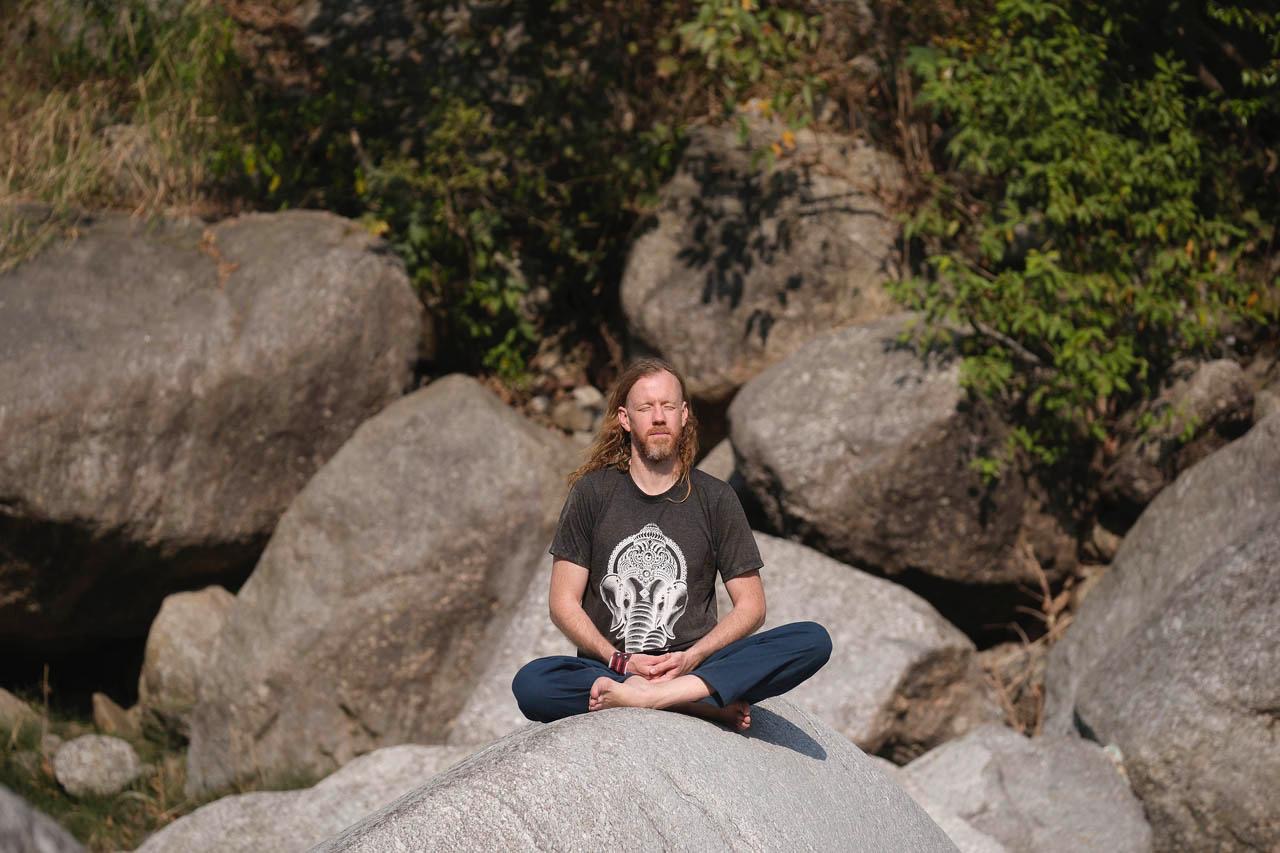
HIYC's 160-Hour Intensive: 20 Days of Silence in the Himalayas
For those seeking a truly immersive silent yoga retreat India experience, HIYC's 160-Hour Intensive offers something exceptionally rare.
Set in the serene Himalayan environment of Dharamshala, this unique program combines twenty days of noble silence with a comprehensive authentic yogic practice designed to facilitate deep inner transformation.
Unlike shorter retreats that provide only a brief introduction to silence, the HIYC intensive allows participants sufficient time to move beyond initial mental resistance and experience the deeper benefits of sustained stillness.
The program includes:
- Daily Yoga practice
- Meditation
- Pranayama
- Yogic philosophy
- Self-observation
- Himalayan nature immersion
- Disciplined daily routine
- Extended periods of complete silence
The Himalayan setting plays an important role in the retreat experience. Surrounded by mountains, forests, rivers and fresh air, participants are naturally supported in withdrawing from the demands of modern life.
The retreat is suitable for:
- Yoga practitioners seeking deeper understanding
- Meditation students
- Wellness professionals
- Individuals experiencing burnout
- Those interested in spiritual development
- Anyone seeking a profound digital detox
Participants frequently describe the experience as one of the most challenging and rewarding periods of their lives.
Explore the HIYC 160-Hour Intensive Program: 160-Hour Intensive Yoga Course in Dharamshala →

How to Prepare Mentally and Physically for a Silent Retreat
Preparation can significantly improve your retreat experience.
Build a Foundation First
If you are considering HIYC's silent 160-Hour Intensive Course, it's important to understand that the retreat is designed for students with prior experience in the HIYC method. Before joining the Intensive, students must first complete either one 9-Day Immersion Course or the equivalent of three 5-Day Courses at HIYC. These preparatory courses provide the foundation needed to fully benefit from the depth and intensity of the silent retreat experience.
Find out more about HIYC's 9-Day Immersion Course: 9-Day Immersion Yoga Course in Dharamshala →
Begin Reducing Digital Stimulation
In the weeks before your retreat, gradually reduce screen time, social media usage, and constant multitasking. This can make the transition into silence much smoother.
Prioritize Sleep
Arriving well-rested allows you to engage more fully with the retreat process.
Manage Expectations
A silent retreat is not always peaceful from the beginning. Understand that discomfort, emotional release, and mental restlessness are normal parts of the journey.
Prepare Physically
Establishing a regular yoga practice, walking daily, and maintaining healthy eating habits before the retreat can help your body adapt to the schedule and demands of intensive practice.
Embrace Openness
Perhaps the most important preparation is simply being willing to experience whatever arises. Silence often reveals exactly what we need to see, even when it differs from what we expected.
Is a Silent Retreat in India Right for You?
If you feel overwhelmed by modern life, disconnected from yourself, or simply curious about what exists beneath the surface of everyday thinking, a silent retreat may be one of the most valuable experiences you can undertake.
India has long been a destination for seekers exploring yoga, meditation, and self-discovery. A genuine silent retreat India experience offers more than temporary relaxation. It provides an opportunity to develop lasting inner awareness and cultivate a deeper relationship with yourself.
At HIYC, silence is not viewed as an absence. It is a doorway.
A doorway to clarity. A doorway to presence. A doorway to transformation. A doorway to peace.
For those willing to step through it, the journey can be life-changing.
Ready for 20 Days of Transformative Silence?
Join HIYC's 160-Hour Intensive in the Himalayas and discover the profound stillness within. Dharamkot, Dharamsala.