What is three weeks of noble silence actually like? A day-by-day look at the 160-Hour Intensive at Himalaya Shanti Ashram: the daily rhythm, what people find hardest, and how the weeks unfold.
“Silent retreat” is one of those phrases that sounds either deeply appealing or genuinely intimidating, depending on whom you ask. Most people asking have never actually done one.
Here is what three weeks of noble silence at the 160-Hour Intensive is actually like, day to day.
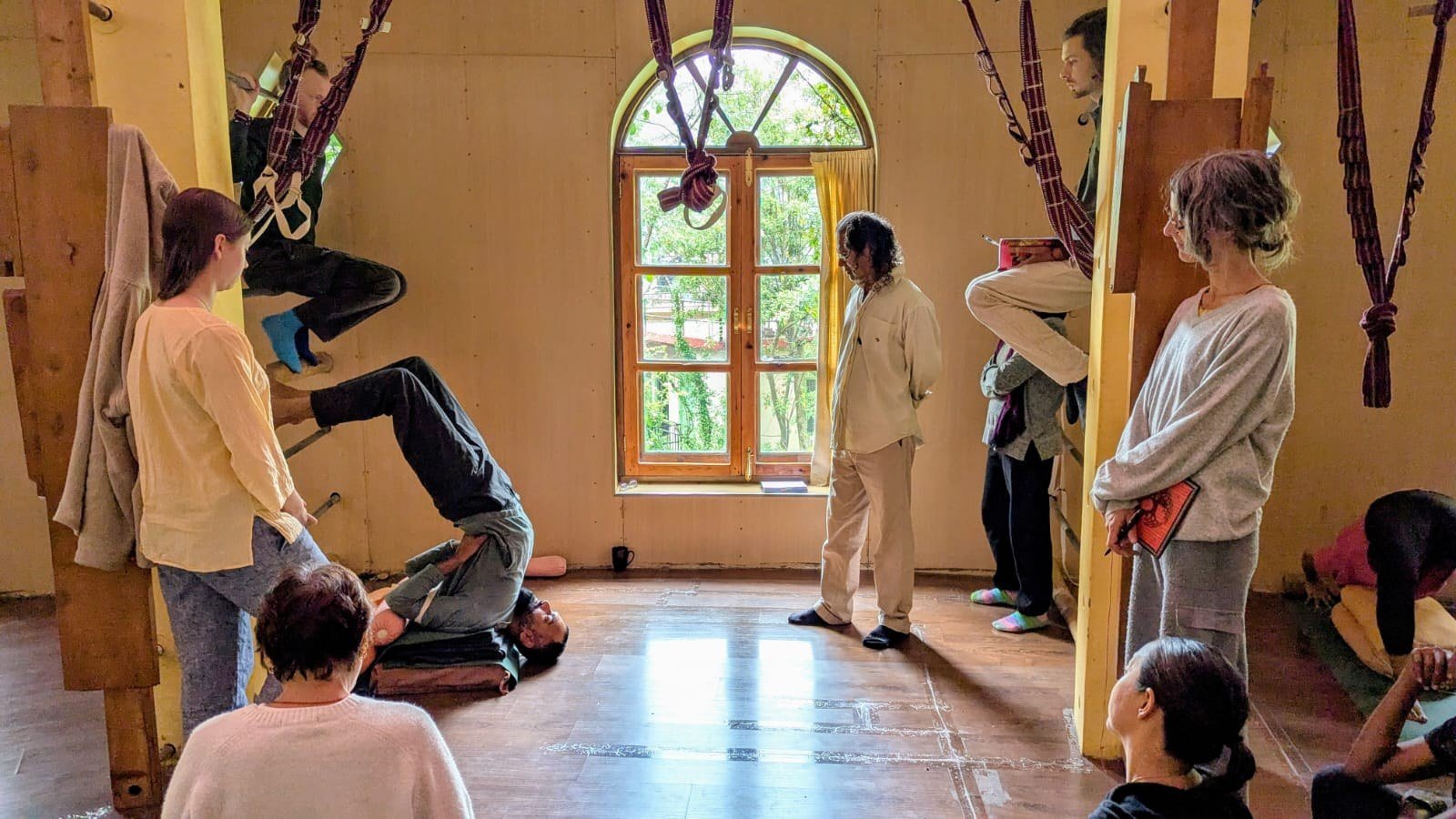
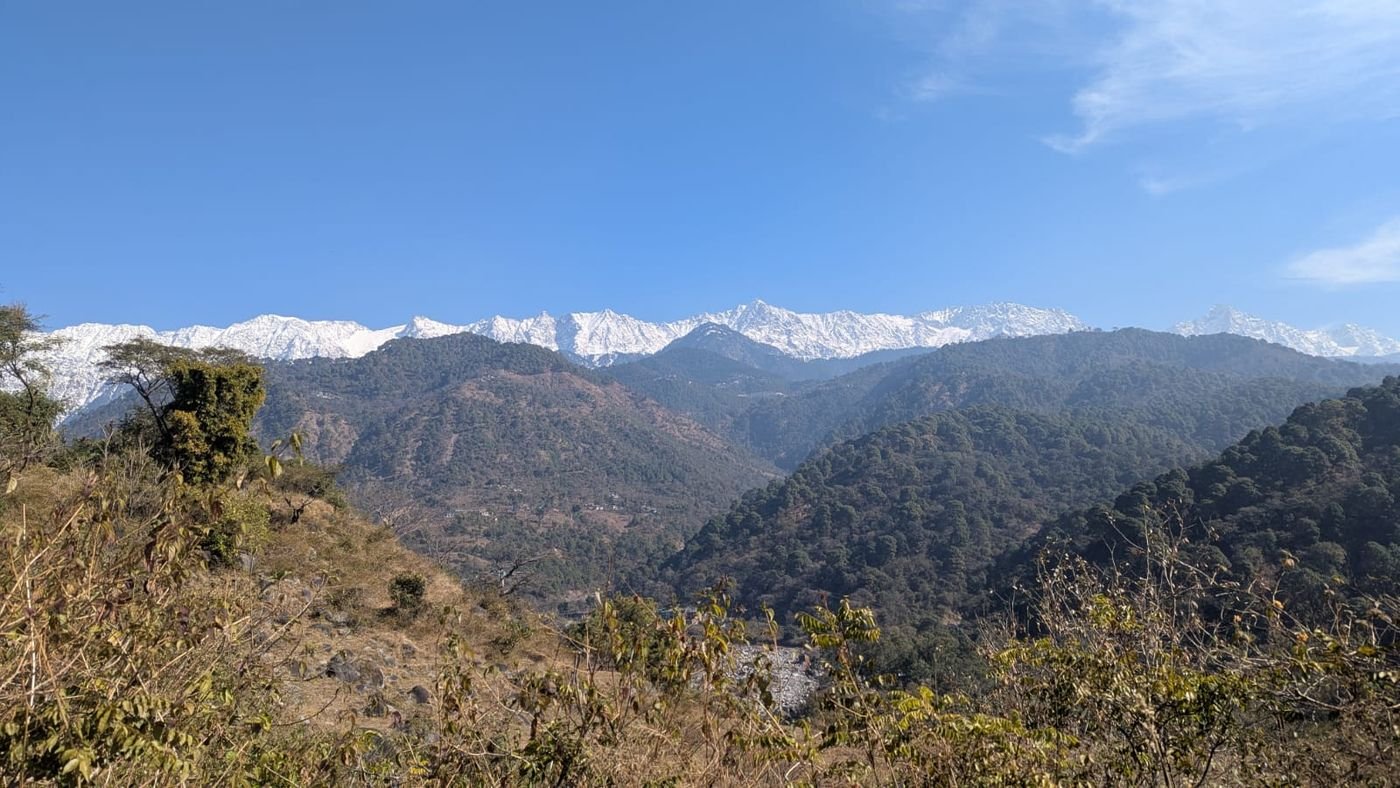
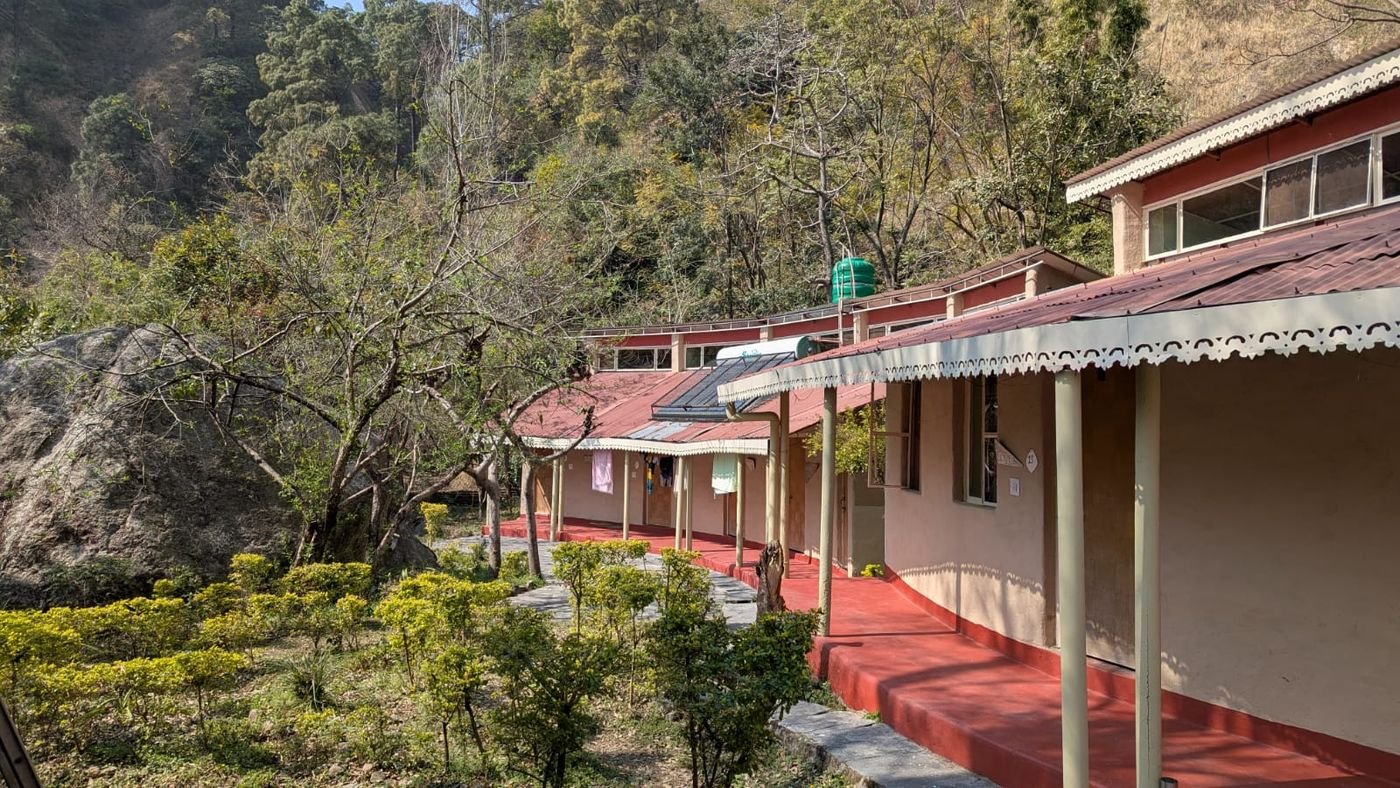
The 160-Hour Intensive is held at Himalaya Shanti Ashram, away from the main Dharamkot centre, in the seclusion of the surrounding nature. It is the point in HIYC’s course structure where the character of the programme genuinely changes. It is not just longer than the 5-Day Course or 9-Day Immersion, but built around a completely different relationship to the practice, held in silence.
A Typical Day
- Early morning self-practice: Students wake at 4:30 AM, before sunrise, for self-practice before beginning the class.
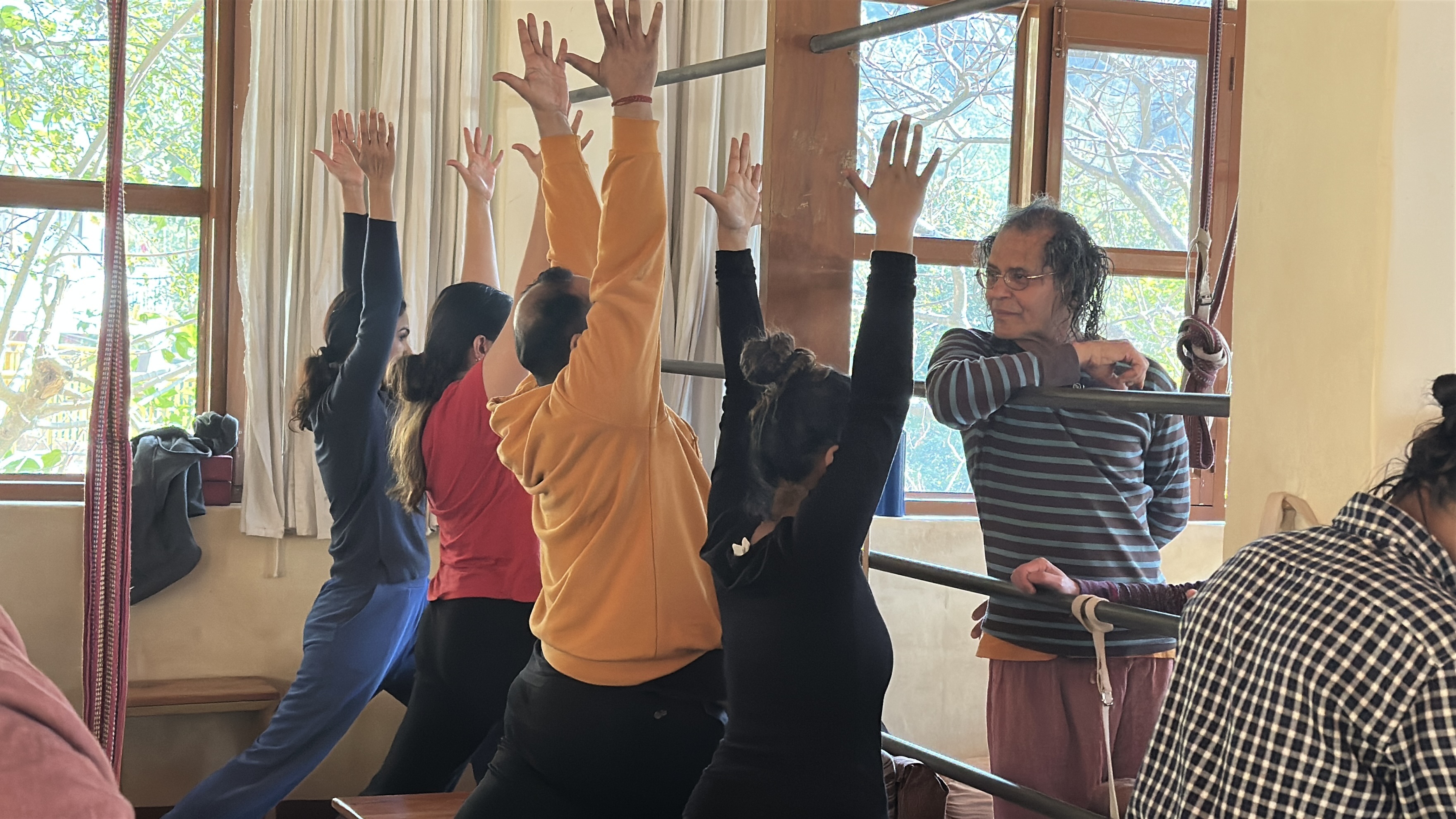
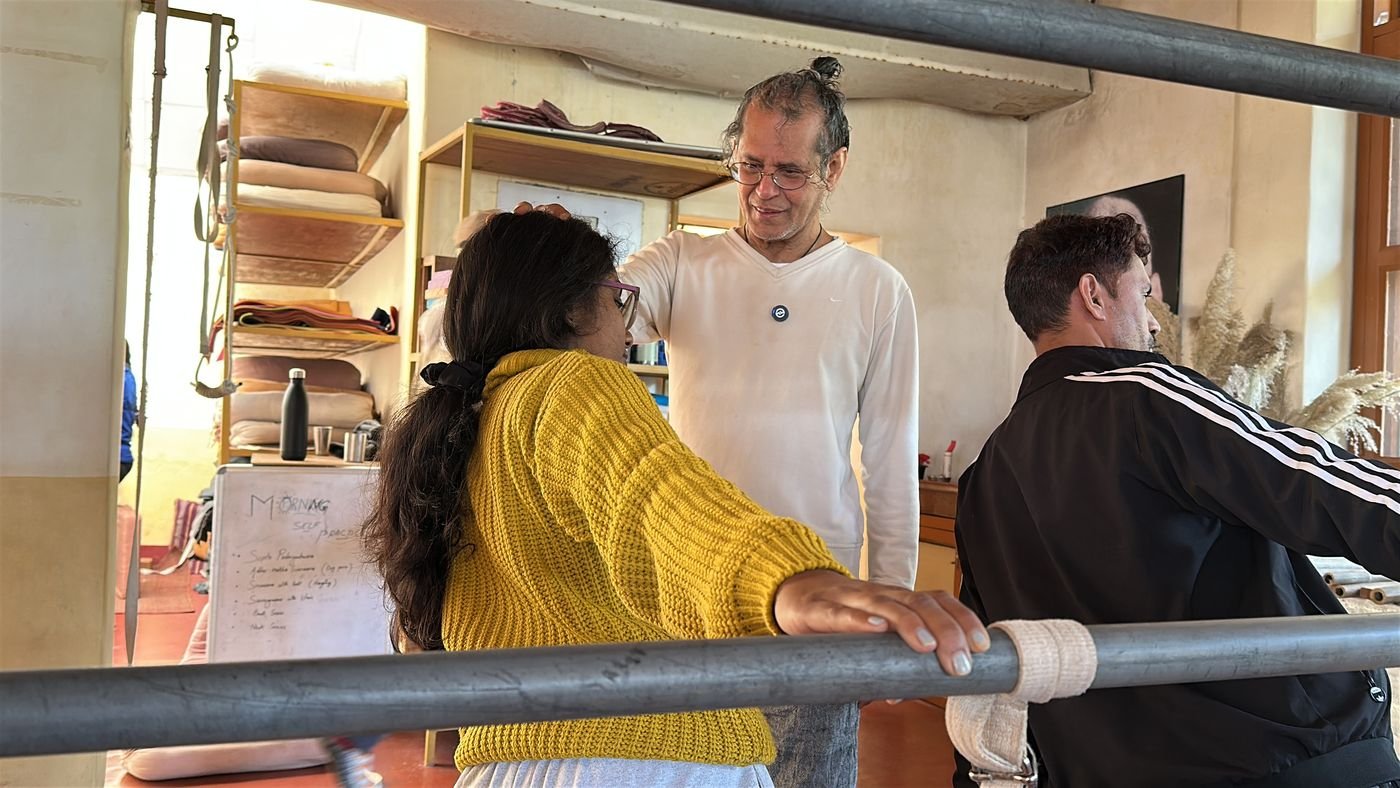
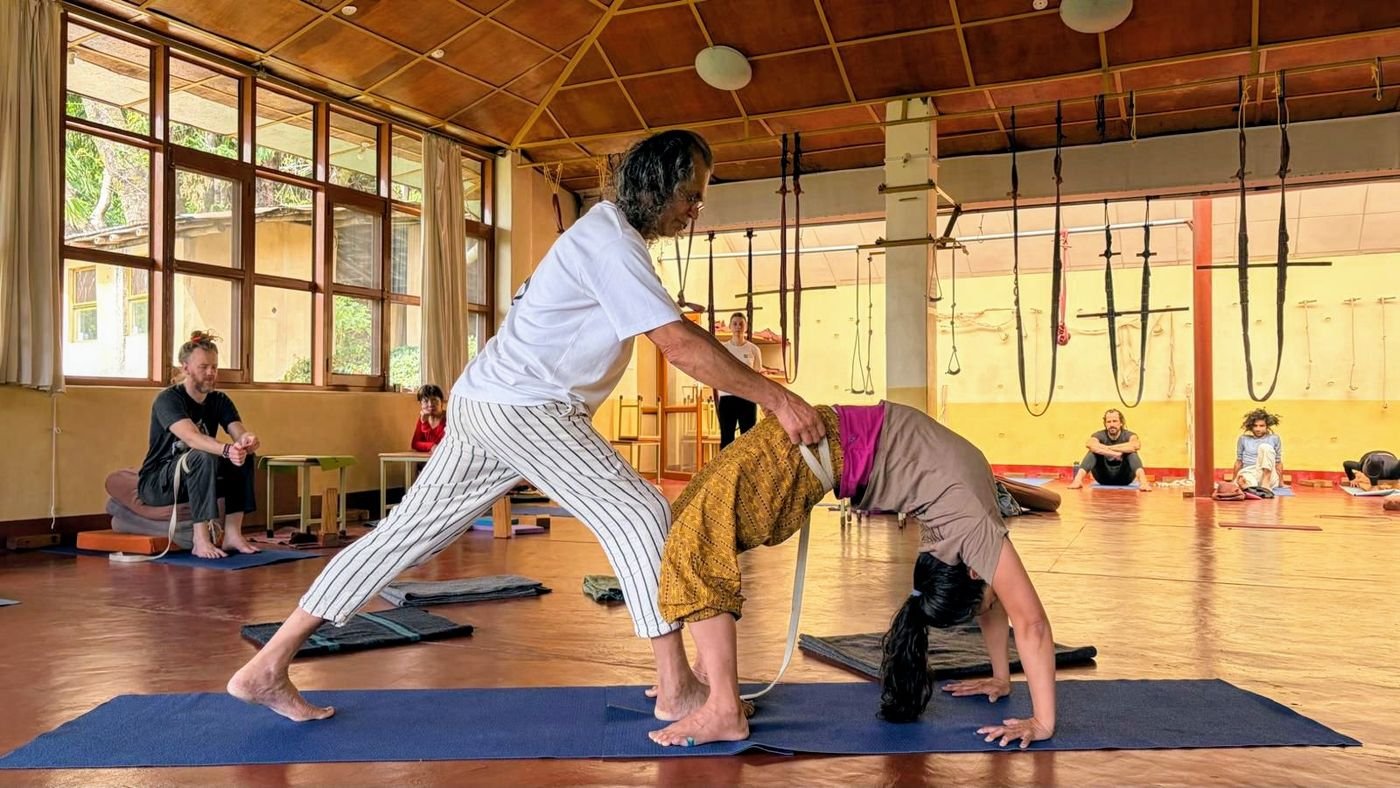
- Morning asana class with the Master Teacher: The main practice session, built around alignment and precision.
- Structured self-practice time: Applying what has been taught, independently but not unsupervised.
- Afternoon relaxation sessions: Conducted by assistant teachers, providing a deliberate counterbalance to the morning’s effort.
- Evening pranayama with Master Sharat Arora: Understanding technique and philosophy, with daily Q&A on progress and individual challenges. Sessions run every day over the three weeks to master the technique.
- Daily meditation and Karma Yoga: A period of selfless service or task-based practice, woven into each day rather than treated as separate from the yoga itself.
- Weekly lectures and Q&A with Master Sharat Arora on yoga philosophy, Patanjali’s Yoga Sutras, and challenges in yoga practice.

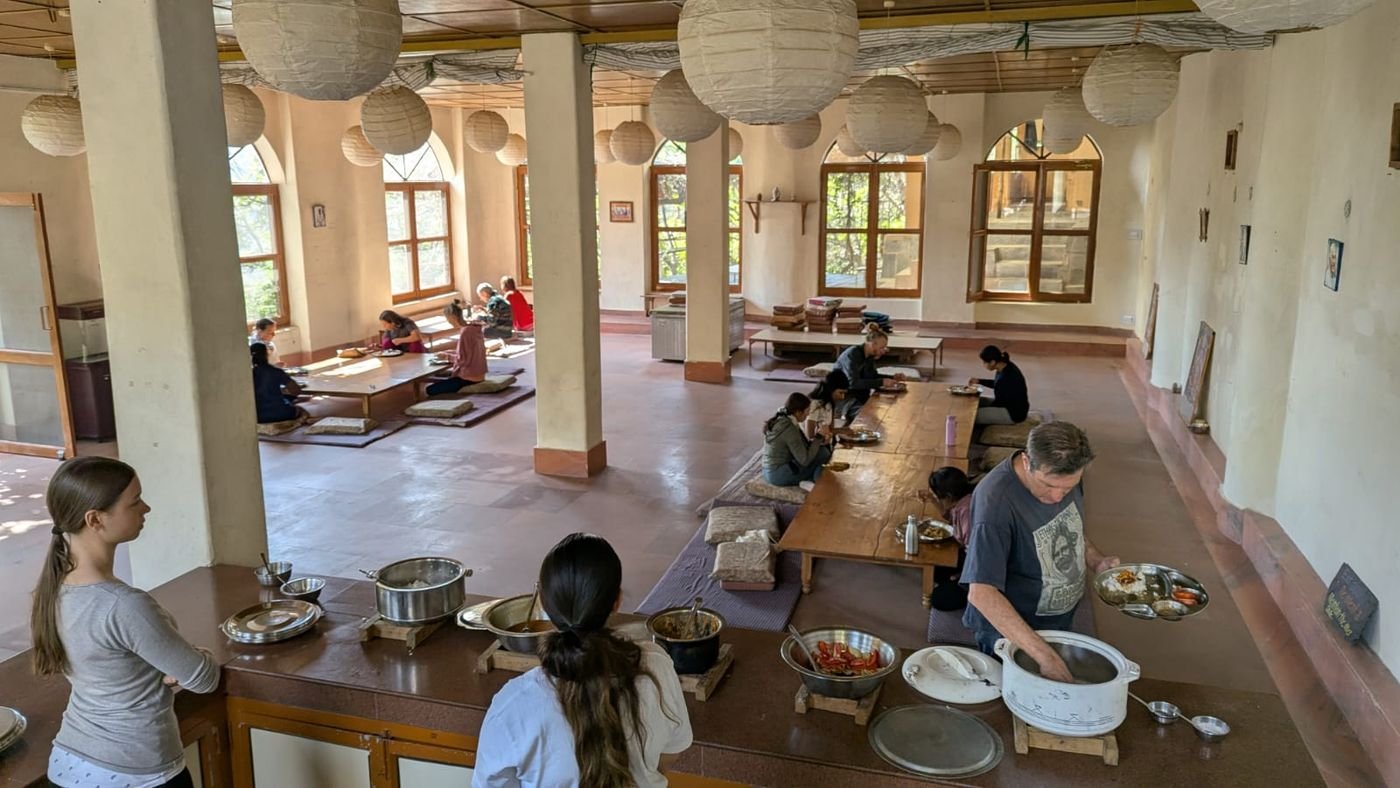
Meals are vegetarian, largely from HIYC’s own organic permaculture farm, and eaten in the same silence as the rest of the day. This surprises people more than almost anything else about the experience. A shared meal in complete silence, three times a day, for three weeks, changes your relationship to eating in ways that are hard to predict until you are in it.
What People Find Hardest
Almost never the yoga itself.
It is usually the first three to five days of silence. The instinct to narrate your own experience out loud, to check in with someone or to fill a quiet moment with small talk does not disappear just because you have agreed to the rules.
Most students describe a genuine shift around the end of the first week, when the silence stops feeling like a restriction and starts feeling like space. That is also, not coincidentally, around when the physical practice starts to deepen. The two are not unrelated.
Why Silence Deepens the Practice
A huge amount of ordinary awareness gets spent on social processing: what to say next, how something landed and what is expected of you in a conversation.
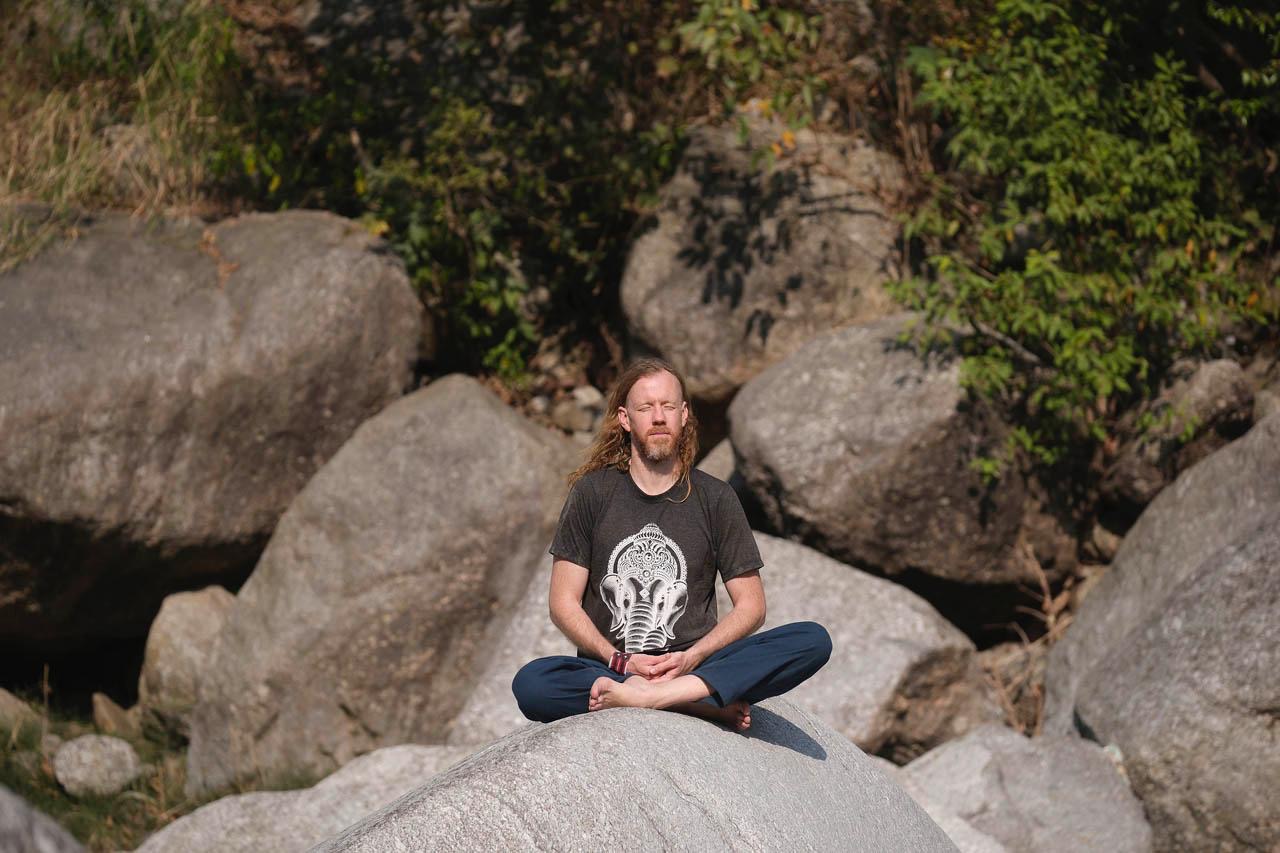
Remove that consistently for three weeks, and there is simply more attention left over for what is actually happening in the body during a held pose or in the breath during pranayama.
This is less a spiritual claim than a fairly mechanical one. Silence is not decorative here; it is functional. It is what makes 160 hours of instruction land differently than the same 160 hours would with normal daily conversation running underneath it.

The Arc of Three Weeks
Noble silence does not feel the same on day two as it does on day eighteen. It moves through genuinely distinct phases, and knowing that in advance changes how the harder parts land.
Week One: Adjustment
The hardest stretch for almost everyone.
The instinct to narrate your own experience, to check in with a neighbour or to fill silence with small talk does not switch off just because you have agreed to the rules.
Physically, the body is also adjusting to a new practice rhythm and often to altitude and unfamiliar food. Most of what people later describe as “difficult” about the retreat happens during this period.
Week Two: Settling
Something shifts, usually without a dramatic moment marking it.
The silence stops feeling like a rule being followed and starts feeling like space being used. Attention that spent the first week fighting the urge to talk starts noticing things instead: the specific sensation in a held pose, the texture of a breath and small details in the surrounding forest that would ordinarily go completely unnoticed.
Physical practice tends to deepen noticeably here too, though rarely because of anything the student is doing differently on purpose.

Week Three: Integration
The practice and the silence stop feeling like two separate things happening alongside each other and start feeling like one continuous state.
This is also often when the return to ordinary speech and routine at the end of the course starts to feel like its own significant event. Many students describe the final days with a mix of readiness and genuine reluctance to leave the state they have settled into.

Karma Yoga: Silence Applied to Service
Karma Yoga, selfless service done without attachment to recognition or reward, is woven into each day rather than treated as separate from seated or standing practice.
In silence, it takes on a different character than it might elsewhere. A task done for the community, without being able to discuss who is doing it or receive verbal thanks for it, strips away a surprising amount of the ego involvement that normally attaches to “helping.”
Many students find this one of the more quietly significant parts of the three weeks, even though it is rarely what draws people to sign up in the first place.
Moreover, in silence, each small task becomes a practice in itself. Being totally present with the task, the performed action unfolds under your examination, adding a quality of enhanced awareness.
How to Prepare Before You Arrive
- Meet the prerequisite properly, not just technically. Come having genuinely absorbed the 9-Day Immersion or three 5-Day Courses, not just having attended them.
- Tell people in your life you will be unreachable. Phones are not used during the retreat. Sort out anything time-sensitive before you arrive, and let close contacts know not to expect a response.
- Do not overpack activities or expectations. This is not a retreat with free time to fill. The structure is built for you. Arrive ready to follow it rather than supplement it.
- Expect the first week to be the hardest, and know that is normal. Most people’s instinct when silence feels difficult is to assume something is wrong. Usually, nothing is. It is just week one.
Is It Right for You?
The 160-Hour Intensive may be the right next step if:
- You have completed the prerequisite, either a 9-Day Immersion or three separate 5-Day Courses, and are looking for real depth rather than just a longer version of what you have already done.
- You are ready for genuine seclusion, not just a break from your usual routine. This is closer to a retreat in the traditional sense than a holiday.
- You want structured practice with expert correction, not unstructured personal time. The days are built around real teaching, not left open.
If any of that sounds like more than you are ready for yet, the 9-Day Immersion is the natural step before it. It is shorter, still substantial, and it counts towards the Intensive’s prerequisite. Not sure which course fits? See our complete course comparison, or read the wider guide to silent yoga retreats in India.
Frequently Asked Questions
Silence is self-imposed, not an obligation. More than silence of the lips, the real invitation is to discover silence of the mind. That is where the deeper work begins.
You are always welcome to express your concerns, needs, or any difficulties to the staff, teachers, or Master Sharat. The purpose is not to suppress your voice, but to quieten the mind and turn inward.
Assistant teachers are present throughout specifically to support students through the adjustment, especially during the first week, which is when most people find it hardest.
No prior meditation experience is required. However, completing the 9-Day Immersion or three 5-Day Courses first, as required, means you will already be familiar with HIYC's teaching style and some foundational practices before the silence begins.
Phones and other devices are not part of the retreat experience during the course. Arrange anything time-sensitive before arriving, and let people in your life know you will be unreachable for the duration.
Noble silence is not a rule against all communication. A genuine need, such as a health concern, can always be raised with a teacher. If anything concerns your family, they can reach the office, and the message can be passed to the person concerned, and vice-versa.
Glimpses from the Intensive

Ready for Three Weeks of Noble Silence?
Join the 160-Hour Intensive at Himalaya Shanti Ashram, taught by Master Yoga Teacher Sharat Arora.