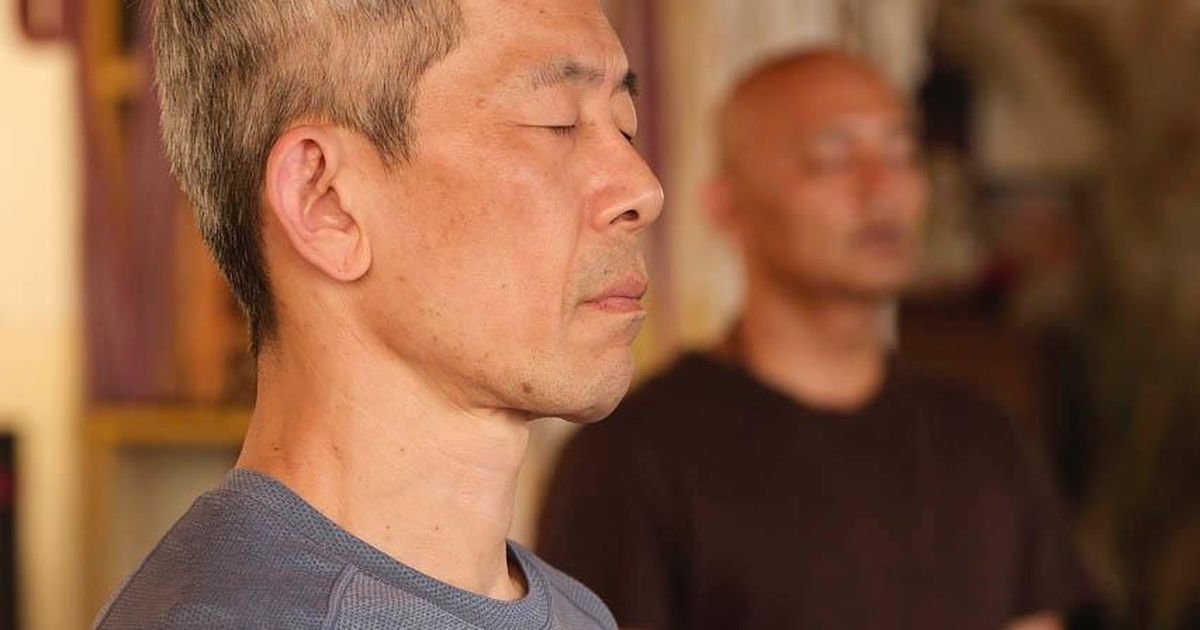
You walk into a room and, within a second, you sense that someone is upset. They have not said a word. Their forehead is tight, their eyes look tired, their mouth is pressed shut. We read faces so quickly and so constantly that we rarely stop to ask how it works. Why does the face show so much of what goes on inside? And what does the old yogic idea of a calm, clear mind have to do with it?
In Short
- The brain has networks that command the muscles of the face, and feelings can trigger them very quickly.
- An old saying calls the face the “index of the mind,” because it often reflects our inner state.
- Other people read our faces using brain networks built for recognising faces and emotions.
- The face is a clue, not a lie detector. Culture, habit and effort all shape what it shows.
- Yoga links a clear, serene mind with a relaxed body, and it gives us ways to notice and soften tension.
How the Brain Moves the Face
Every expression is a movement, and every movement is commanded by the brain. Regions in the frontal part of the brain, along with other areas, form a network that controls the small muscles of the face. When we choose to smile for a photograph, one set of pathways does the work. When something truly delights or frightens us, another set of pathways switches on, often faster than we can decide anything. That is why a real smile and a posed smile can look slightly different.
In this way the face turns an invisible inner event, a thought or a feeling, into something that can be seen. Joy, fear, anger and stress all find a path to the muscles around the eyes, brow, mouth and jaw.
The “Index of the Mind”
There is an old saying, often traced back to a Latin phrase, that the face is the index of the mind. Like the index of a book, it tells you what is inside before you read the pages. Many cultures have a version of this idea. We say that someone's eyes lit up, that a face fell, that a brow was furrowed with worry.
There is real truth in it, but we should be careful not to overstate it. People can hide, control or fake their expressions, and research shows that the same expression does not always mean the same feeling in every person or culture. A calm face does not guarantee a calm mind, and a stern face does not guarantee an angry one. The face gives clues. It does not give certainty.
How Other People Read the Map
When we look at someone, our brain uses networks that are specialised for recognising faces and for judging emotion. These include areas in the temporal lobe and a small structure called the amygdala, which is closely involved in responding to emotional signals. We tend to gather information from the eyes and the mouth first. Sadness often shows in the eyes and the brow. Happiness shows in the mouth and in the small lines around the eyes. We do all this without effort, which is why we feel someone's mood before we can explain how we knew.
What a Disturbed Mind Shows
Think about where tension gathers when the mind is under strain. The brow tightens. The jaw clenches. The eyes narrow or stare. The lips press together. Often we do not notice any of this until someone remarks that we look worried. In a calmer state, these same places tend to soften.
This is a useful observation, because the connection works both ways. We usually think the mind affects the face. But noticing the face can also tell us something about the mind. If you catch your jaw locked while you are thinking, that is information. You can let it go, and sometimes the mind eases along with it.
The Yoga View
Yoga has long noticed that the body shows the state of the mind. In Sutra 1.31 Patanjali lists what accompanies a scattered mind: sorrow, despair, trembling of the body and irregular breathing. In other words, an agitated mind does not stay hidden inside. It spills into the body.
The opposite state is described in Sutra 1.33, chitta prasadanam, the clearing and settling of the mind. The word prasada carries the sense of clarity and serenity, and the related word prasanna is used in everyday Sanskrit and Hindi for something bright and cheerful, as in a cheerful face.
The Bhagavad Gita also counts serenity of mind, manah-prasada, among the qualities of a disciplined mind (17.16).
We should not claim more than the texts say. They do not give a manual for reading faces. But they do teach that a mind at peace and a body at ease go together, and that is why yoga cares so much about posture, breath and relaxation.
A Small Thing to Notice
Next time you feel stressed, check your face for a moment. Is the forehead tight? Is the jaw clenched? Are the eyes strained? You do not need to fix anything dramatically. Simply noticing is the beginning of relaxing, and noticing is itself a quiet form of awareness.
Frequently Asked Questions
Because the brain connects emotional responses to the muscles of the face. Feelings can trigger these muscles quickly, which turns inner states into visible expressions.
No. Faces give useful clues, but people can hide or mask their feelings, and expressions can mean different things across individuals and cultures.
It is an old saying that the face reflects the inner state of a person, the way a book's index shows what is inside.
Yoga teaches that mind and body are connected. Sutra 1.31 describes how an agitated mind shows in the body, and Sutra 1.33 describes the clear, serene mind.
Closing Thought
The face is not a perfect map, but it is a useful one. It shows us something of other people and, if we pay attention, something of ourselves. A tight brow or a clenched jaw can be a small message from a restless mind, and the first step toward calm is simply reading it.
Related reading: How to Calm a Disturbed Mind, According to Patanjali.
To learn more about our classes, please use the Contact page of this website.
आप किसी कमरे में प्रवेश करते हैं और एक सेकंड में महसूस कर लेते हैं कि कोई परेशान है। उसने एक शब्द भी नहीं कहा। माथा तना हुआ है, आँखें थकी लगती हैं, होंठ भिंचे हैं। हम चेहरों को इतनी तेज़ी से और इतनी लगातार पढ़ते हैं कि शायद ही कभी रुककर पूछते हैं कि यह कैसे होता है। चेहरा भीतर की इतनी बातें क्यों दिखा देता है? और शांत, स्पष्ट मन के योगिक विचार का इससे क्या संबंध है?
संक्षेप में
- मस्तिष्क में ऐसे नेटवर्क हैं जो चेहरे की माँसपेशियों को आदेश देते हैं, और भावनाएँ उन्हें बहुत तेज़ी से सक्रिय कर सकती हैं।
- एक पुरानी कहावत चेहरे को “मन का सूचकांक” कहती है, क्योंकि वह अक्सर हमारी भीतरी स्थिति को दर्शाता है।
- दूसरे लोग हमारे चेहरे को मस्तिष्क के उन नेटवर्कों से पढ़ते हैं जो चेहरे और भावनाएँ पहचानने के लिए बने हैं।
- चेहरा एक संकेत है, झूठ पकड़ने की मशीन नहीं। संस्कृति, आदत और प्रयास, सब इस पर असर डालते हैं।
- योग शांत, स्पष्ट मन को शिथिल शरीर से जोड़ता है, और तनाव को पहचानने और ढीला करने के तरीके देता है।
मस्तिष्क चेहरे को कैसे चलाता है
हर भाव एक गति है, और हर गति को मस्तिष्क आदेश देता है। मस्तिष्क के अग्र भाग के क्षेत्र, अन्य क्षेत्रों के साथ मिलकर, एक नेटवर्क बनाते हैं जो चेहरे की छोटी माँसपेशियों को नियंत्रित करता है। जब हम फ़ोटो के लिए जानबूझकर मुस्कुराते हैं, तो एक तरह के मार्ग काम करते हैं। जब कोई चीज़ सचमुच हमें प्रसन्न या भयभीत करती है, तो दूसरे मार्ग सक्रिय होते हैं, अक्सर हमारे कुछ तय करने से पहले ही। इसीलिए सच्ची मुस्कान और बनावटी मुस्कान थोड़ी अलग दिखती हैं।
इस तरह चेहरा एक अदृश्य भीतरी घटना, यानी विचार या भावना, को कुछ ऐसा बना देता है जिसे देखा जा सके। आनंद, भय, क्रोध और तनाव, सबके लिए आँखों, भौंहों, मुँह और जबड़े की माँसपेशियों तक एक रास्ता है।
“मन का सूचकांक”
एक पुरानी कहावत है, जिसे अक्सर एक लैटिन वाक्यांश से जोड़ा जाता है, कि चेहरा मन का सूचकांक है। किताब की अनुक्रमणिका की तरह, वह पन्ने पढ़ने से पहले बता देता है कि भीतर क्या है। कई संस्कृतियों में इस विचार का कोई रूप मिलता है। हम कहते हैं कि किसी की आँखें चमक उठीं, चेहरा उतर गया या माथे पर चिंता की रेखाएँ आ गईं।
इसमें सच्चाई है, पर हमें इसे बढ़ा-चढ़ाकर नहीं कहना चाहिए। लोग अपने भाव छिपा सकते हैं, नियंत्रित कर सकते हैं या बना सकते हैं, और शोध बताते हैं कि एक ही चेहरे का भाव हर व्यक्ति या हर संस्कृति में एक ही अर्थ नहीं रखता। शांत चेहरा शांत मन की गारंटी नहीं है, और कठोर चेहरा क्रोधित मन की गारंटी नहीं है। चेहरा संकेत देता है। वह निश्चितता नहीं देता।
दूसरे इस मानचित्र को कैसे पढ़ते हैं
जब हम किसी को देखते हैं, तो हमारा मस्तिष्क उन नेटवर्कों का उपयोग करता है जो चेहरे पहचानने और भावनाओं का अनुमान लगाने के लिए विशेष रूप से बने हैं। इनमें टेम्पोरल लोब के क्षेत्र और एमिग्डाला नामक एक छोटी संरचना शामिल है, जो भावनात्मक संकेतों पर प्रतिक्रिया देने में गहराई से जुड़ी है। हम सबसे पहले आँखों और मुँह से जानकारी जुटाते हैं। उदासी अक्सर आँखों और भौंहों में दिखती है। ख़ुशी मुँह में और आँखों के आसपास की छोटी रेखाओं में दिखती है। हम यह सब बिना प्रयास के करते हैं, इसीलिए हम किसी का मूड महसूस कर लेते हैं, इससे पहले कि समझा सकें कि कैसे जाना।
अशांत मन क्या दिखाता है
सोचिए कि जब मन तनाव में होता है, तो तनाव कहाँ जमा होता है। भौंहें कस जाती हैं। जबड़ा भिंच जाता है। आँखें सिकुड़ जाती हैं या टकटकी लग जाती है। होंठ आपस में दब जाते हैं। अक्सर हमें इनमें से कुछ पता नहीं चलता, जब तक कोई कह न दे कि आप चिंतित दिख रहे हैं। शांत अवस्था में यही जगहें ढीली पड़ जाती हैं।
यह एक उपयोगी अवलोकन है, क्योंकि संबंध दोनों तरफ़ काम करता है। हम आमतौर पर सोचते हैं कि मन चेहरे को प्रभावित करता है। पर चेहरे पर ध्यान देने से भी हम मन के बारे में कुछ जान सकते हैं। अगर आप सोचते समय अपने जबड़े को कसा हुआ पाएँ, तो यह जानकारी है। आप उसे ढीला छोड़ सकते हैं, और कभी-कभी उसके साथ मन भी हल्का हो जाता है।
योग की दृष्टि
योग ने बहुत पहले देखा है कि शरीर मन की स्थिति दिखाता है। सूत्र 1.31 में पतंजलि बिखरे हुए मन के साथ आने वाली बातें गिनाते हैं: दुःख, निराशा, शरीर का काँपना और अनियमित श्वास। यानी अशांत मन भीतर छिपा नहीं रहता। वह शरीर में छलक पड़ता है।
इसकी विपरीत अवस्था सूत्र 1.33, चित्तप्रसादन, में बताई गई है, यानी मन का निर्मल और शांत होना। प्रसाद शब्द में स्पष्टता और प्रसन्नता का भाव है, और उससे जुड़ा शब्द प्रसन्न रोज़मर्रा की संस्कृत और हिंदी में उज्ज्वल और हँसमुख के लिए प्रयोग होता है, जैसे प्रसन्न मुख। भगवद्गीता (17.16) भी मन की प्रसन्नता, मनःप्रसाद, को अनुशासित मन के गुणों में गिनती है।
हमें ग्रंथों से अधिक कुछ नहीं कहना चाहिए। वे चेहरे पढ़ने की कोई पुस्तिका नहीं देते। पर वे यह ज़रूर सिखाते हैं कि शांत मन और सहज शरीर साथ-साथ चलते हैं, और इसीलिए योग मुद्रा, श्वास और शिथिलीकरण की इतनी परवाह करता है।
ध्यान देने की एक छोटी बात
अगली बार जब आप तनाव में हों, तो एक क्षण के लिए अपना चेहरा देखें। क्या माथा तना है? क्या जबड़ा भिंचा है? क्या आँखों पर ज़ोर है? आपको कुछ नाटकीय रूप से ठीक करने की ज़रूरत नहीं है। केवल देख लेना शिथिल होने की शुरुआत है, और देखना स्वयं जागरूकता का एक शांत रूप है।
अक्सर पूछे जाने वाले प्रश्न
क्योंकि मस्तिष्क भावनात्मक प्रतिक्रियाओं को चेहरे की माँसपेशियों से जोड़ता है। भावनाएँ इन माँसपेशियों को तेज़ी से सक्रिय कर सकती हैं, जिससे भीतरी अवस्थाएँ दिखाई देने वाले भावों में बदल जाती हैं।
नहीं। चेहरे उपयोगी संकेत देते हैं, पर लोग अपनी भावनाएँ छिपा सकते हैं, और भावों के अर्थ अलग-अलग व्यक्तियों और संस्कृतियों में भिन्न हो सकते हैं।
यह एक पुरानी कहावत है कि चेहरा व्यक्ति की भीतरी स्थिति को दर्शाता है, जैसे किताब की अनुक्रमणिका बताती है कि भीतर क्या है।
योग सिखाता है कि मन और शरीर जुड़े हैं। सूत्र 1.31 बताता है कि अशांत मन शरीर में कैसे दिखता है, और सूत्र 1.33 निर्मल, शांत मन का वर्णन करता है।
समापन
चेहरा एक पूर्ण मानचित्र नहीं है, पर एक उपयोगी मानचित्र है। वह हमें दूसरों के बारे में कुछ बताता है और, अगर हम ध्यान दें, तो अपने बारे में भी कुछ। तनी हुई भौंहें या भिंचा हुआ जबड़ा बेचैन मन का एक छोटा संदेश हो सकता है, और शांति की ओर पहला कदम बस उसे पढ़ लेना है।
संबंधित लेख: पतंजलि के अनुसार अशांत मन को कैसे शांत करें।
हमारी कक्षाओं के बारे में अधिक जानने के लिए कृपया इस वेबसाइट का “संपर्क” पृष्ठ देखें।
Experience Iyengar Yoga in the Himalayas
Learn the precise, attentive Iyengar method with Master Yoga Teacher Sharat Arora in Dharamkot.